

Human emotions are strange things. Some days they are like an open book, every page turned willingly, every thought easy to read. Joy spills into laughter without permission, sorrow rests quietly in tearful eyes, and love finds its way into ordinary words. On those days, our hearts seem to speak a language everyone can understand.
But emotions are rarely that simple.
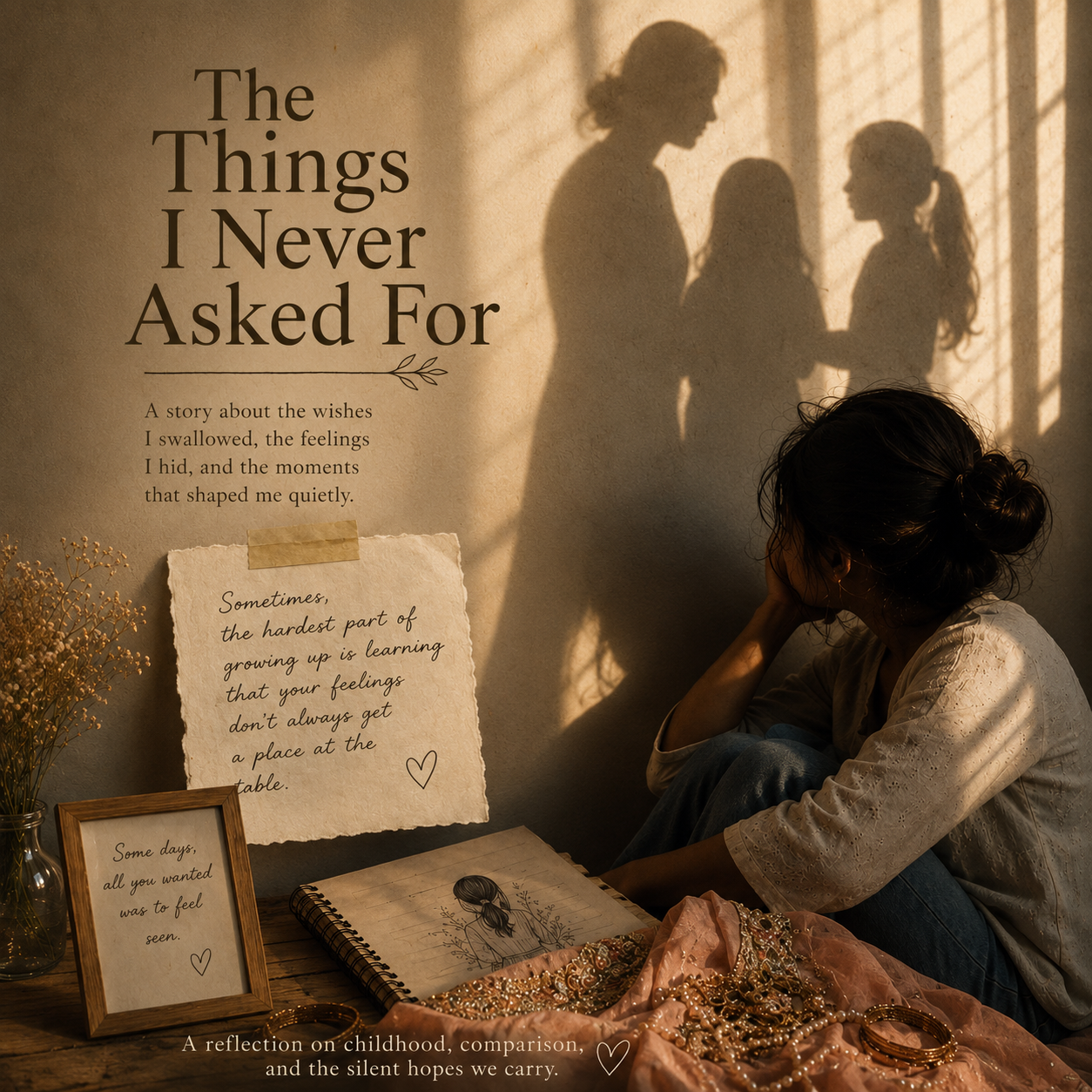
The very next day, they can become like an old wooden door at the end of a forgotten hallway—a door that has remained shut for years. Countless hands may have knocked upon it, yet it never opens. Not because there is nothing behind it, but because there is too much. Behind that door lie memories that ache, words that were never spoken, dreams that quietly died, and wounds that learned to survive in silence. The lock isn't made of iron; it is built from fear, disappointment, pride, and the exhausting hope that has been broken one too many times.
That is the paradox of being human.
We crave to be understood, yet we fear being seen. We long for someone to ask if we're okay, yet when they do, "I'm fine" escapes our lips before the truth ever reaches them. We hide the deepest parts of ourselves, not because they are unworthy, but because they are fragile. And fragile things are not difficult to break—they are simply difficult to trust with the wrong hands.
Perhaps that is why emotions confuse us so often. They are never just happiness or grief, anger or love. They overlap, collide, contradict, and coexist. We can miss someone we chose to leave. We can smile while carrying unbearable pain. We can forgive without forgetting, heal while still hurting, and feel lonely in a room full of people.
The human heart is both an open book and a locked door. It writes stories every day, yet guards certain chapters with unwavering silence. And maybe that is not inconsistency at all. Maybe it is simply the heart's way of deciding who gets to read its pages—and who must first earn the key.





Write a comment ...